
 Cart is empty
 Watercolour Paints
At Discount Art & Craft Warehouse, we stock a curated range of student and professional watercolour paints to support artists at every stage of their creative career.
We believe that art should be accessible and available to everyone, regardless of budget. Whether you are a professional or a beginner, we aim to provide you with exactly what you need! We stock a wide range of Watercolour Paints, well-made watercolour brushes and various painting accessories from leading art brands, including Derwent, Reeves, Winsor & Newton, Faber-Castell, Art Spectrum, Copic, Matisse and many more.
Delivery is Australia-wide, so you can shop for everything from the best watercolour paints needed to assemble your first toolkit to richly pigmented kuretake collections for vibrant layered artworks, all from the comfort of your own home.
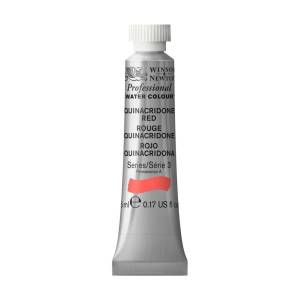
Winsor & Newton Professional Watercolour Paints 5ml
Watercolour Paints
FROM $16.45
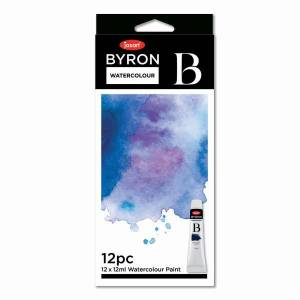
Jasart Byron Watercolour Paint Set
Watercolour Paints
NOW $16.50
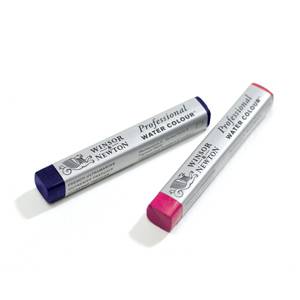
Winsor & Newton Professional Watercolour Paint Sticks
Watercolour Paints
FROM $12.75
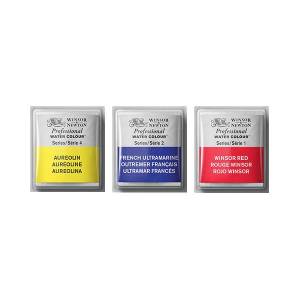
Winsor & Newton Professional Watercolour Half Pans
Watercolour Paints
FROM $18.50
Winsor & Newton Professional Watercolour Paints 14ml
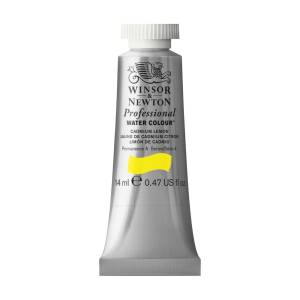
Watercolour Paints
FROM $27.70
Winsor & Newton Professional Watercolour Field Box
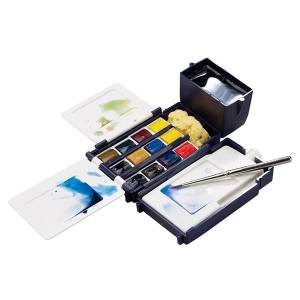
Watercolour Paints
NOW $310.65
Winsor & Newton Professional Watercolour Paints 37ml
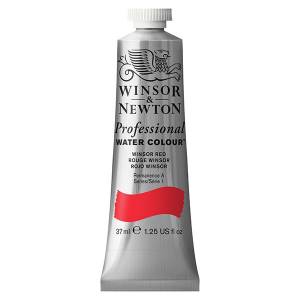
Watercolour Paints
FROM $76.95
Reeves Watercolour Paint Pans Tin & Brush
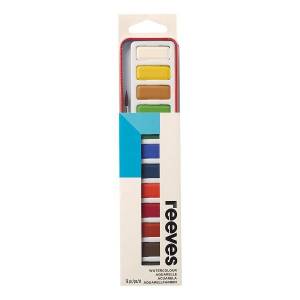
Watercolour Paints
NOW $17.50
Jasart Byron Watercolour 12ml Paint Set 24
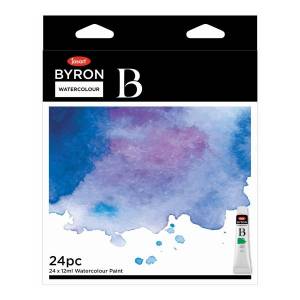
Watercolour Paints
NOW $25.05
Derwent Line & Wash Mixed Media Set 14
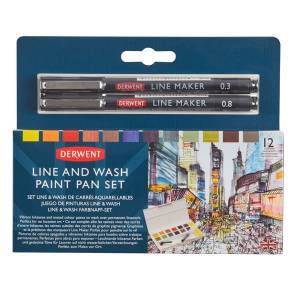
Watercolour Paints
NOW $59.30
Winsor & Newton Professional Watercolour Half Pan Compact Set
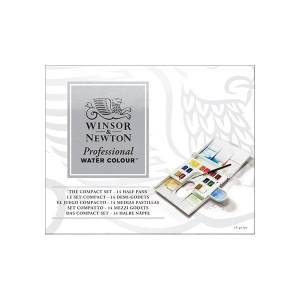
Watercolour Paints
NOW $260.00
Winsor & Newton Cotman Watercolour Half Pan And Brush Pen Set
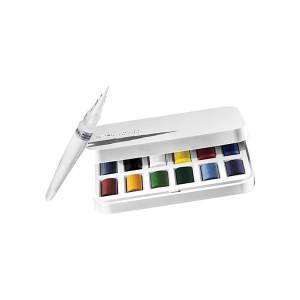
Watercolour Paints
NOW $88.00
FAQs about Watercolour Paints
How Do You Use Watercolour Paint?
There are various ways to use watercolour paints, but a classic method is the wet-on-wet technique. If you are unsure where to begin, here's a simple way to get used to this beautifully expressive medium.
1) Begin with a wet brush and paint two rectangles
2) See the damp makes you have painted with water
3) Add some watercolour from your palette and add it onto the first wet rectangle you just made
4) With the other rectangle, add in a few dabs of watercolour paint. This is a good way to gauge how much water and paint you like to use.
5) Once the paint begins to dry, it should look quite different as the water colour will dry in unpredictable ways since you don't have as much of control due to the fluid nature of this painting technique.
6) Furthermore, wait for it to dry completely because it will have changed even more. The watercolours may not appear as strong, but great textures will begin to appear.
Now you can see how you may like to use this watercolour painting method in your projects.
Does Watercolour Stick To Acrylic Paint?
Acrylic paint sticks to watercolour paint if the watercolour is used first and the acrylic paint is applied in a wet state or as glazing. However, if acrylic paint is used first, it generally doesn't work favourably for detailed illustrations.
How Is Watercolour Paint Made?
The two main components that make watercolour paint are the pigment and the binder.
The pigment will provide the paint its colour, and the binder will allow the paint to stick to the surface (watercolour paper) once it dries. The pigment is soluble, allowing the paint to become translucent when dissolved. However, the binder is non-soluble, which allows it to keep its binding properties even when mixed with water.
Gum arabic is the binder agent predominantly used in watercolour elaboration. Some brands use synthetic binders. Pigments, on the other hand, can come from a range of sources and are classified as either synthetic, natural or a mix of both.
Most watercolour paints also contain additives designed to extend the product's shelf life and enable it to shine on the page.
What Do You Paint Watercolour On?
The surface you use for watercolour paint has a huge impact on the final result of your artwork, regardless of the style or subject matter. Because of the water used for watercolour paint, the surface needs to be absorbent and allow for multiple applications without tearing or buckling.
Quality watercolour paper well suits all those requirements. However, there are thousands of options in the market. They are categorised by weight, texture and manufacturing process.
Paperweight is measured in pounds (lbs) or grams per square metre (gsm). Lightweight dry paper is usually cheaper and ideal for accessible beginner sets. However, it will require stretching. Meanwhile, the heavyweight paper will be more resistant and is less likely to require stretching.
Three main texture categories of watercolour paper stand out: hot-pressed, cold-pressed, and rough, which range from smooth to rough depending on the artist's needs. As for materials used for the paper, you can choose between wood pulp-based or cotton-based.
About watercolour paints
Watercolour paints are a type of wet paint made with finely ground pigments suspended in water. They are among the oldest types of paints, dating back to ancient Egypt. Watercolours have a long history of use in art, and their popularity has only grown in recent years.
Watercolour paints are beloved by beginners, hobbyists and experienced artists for their vibrant colours and ability to help you achieve consistent, delicate effects and soft atmospheric washes to detailed illustrations. They can be used to paint everything from landscapes to portraits. Watercolour paints are also very versatile and can be used in a variety of different ways. For example, they can be applied wet-on-wet for a soft look, or dry-on-wet for a more intense effect.
There are endless possibilities when it comes to painting with watercolours. So whatever your level of experience, give them a try! You might just fall in love with this beautiful medium.
How many types of watercolours are there?
There are two main types of watercolours: tube watercolours and pan watercolours. Tube watercolours are the type that most artists are familiar with. They come in small tubes and can be mixed with water to create a variety of effects, offering reliable performance, strong colour and a stunning aesthetic.
No matter which type of watercolour you choose, you're sure to create beautiful paintings that you'll treasure for years to come. So get out there and start exploring the world of watercolours!
Which Watercolour paints are best?
There are so many different types and brands of watercolour paints on the market that it can be hard to know which ones to choose. But don't worry, we're here to help.
For beginners and experienced artists alike, we recommend choosing a watercolour paint set that comes with a variety of colours. This way, you can experiment and find the shades that you like best. A good set of paints with quality watercolour brushes and dependable painting accessories will help you to get started.
If you're looking for high-quality watercolour paper and watercolour paints, then look no further than Winsor & Newton. This British company has been making some of the best art supplies for over 150 years. Their watercolour paints are loved by artists all over the world for their exceptional pigments and smooth texture.
Another great option is Sennelier's Watercolour Paints. These French-made paints are made with pure, light-fast pigments and have a thick, creamy consistency. They're perfect for creating luminous effects and beautiful washes of colour. Just make sure you choose materials that genuinely help with detailed illustrations and vibrant layered works.
No matter which watercolour paints you choose, make sure to experiment and have fun! Painting is all about exploring and discovering what you like best. So go forth and create something beautiful, whether that is defined by performance, strong colour payoff and smooth handling, or bold washes.
What makes watercolours different from other types of painting materials?
Watercolours are available in beginner sets to artist-grade tubes and pans. They are unique in that they are made with finely ground pigments suspended in water. This gives them a vibrant colour and a delicate texture unlike any other type of paint. Watercolours are also a very versatile and expressive medium that suits a range of styles. For example, they can be applied wet-on-wet for a soft look, or dry-on-wet for a more intense effect in a USP image.
So if you're looking for a truly unique painting experience, then watercolours are the way to go!
What is the difference between watercolour painting and oil painting?
Watercolour painting generally refers to the art of painting with water-soluble pigments on paper. This type of painting has a long history, with origins dating back to ancient China. Watercolour painting is often associated with a light and delicate aesthetic, as the colours tend to be more muted and subtle than those used in oil painting. They suit beginners, hobbyists and even a team of real artists.
Oil painting, on the other hand, uses oil-based pigments. These pigments are usually mixed with a drying oil, such as linseed oil, to create a paint that can be applied to a variety of surfaces. The oil painting has a richer, more vibrant colour palette than a watercolour painting, and the paint can be layered to create a variety of effects on materials that genuinely support your style. Oil painting is also more durable than watercolour painting, as the pigments are less likely to fade over time.
What is the difference between watercolour painting and acrylic painting?
Watercolour painting is typically done with water-soluble paints, while acrylic painting uses synthetic polymer-based paints. Because of this, watercolour paintings have a softer and more delicate appearance, while acrylics tend to be more vibrant and have heavier bodies. dditionally, watercolour paintings are usually transparent, which is a medium that suits beginners. Acrylics can be either transparent or opaque to achieve consistent, long-lasting results.